Automotive Window Tinting
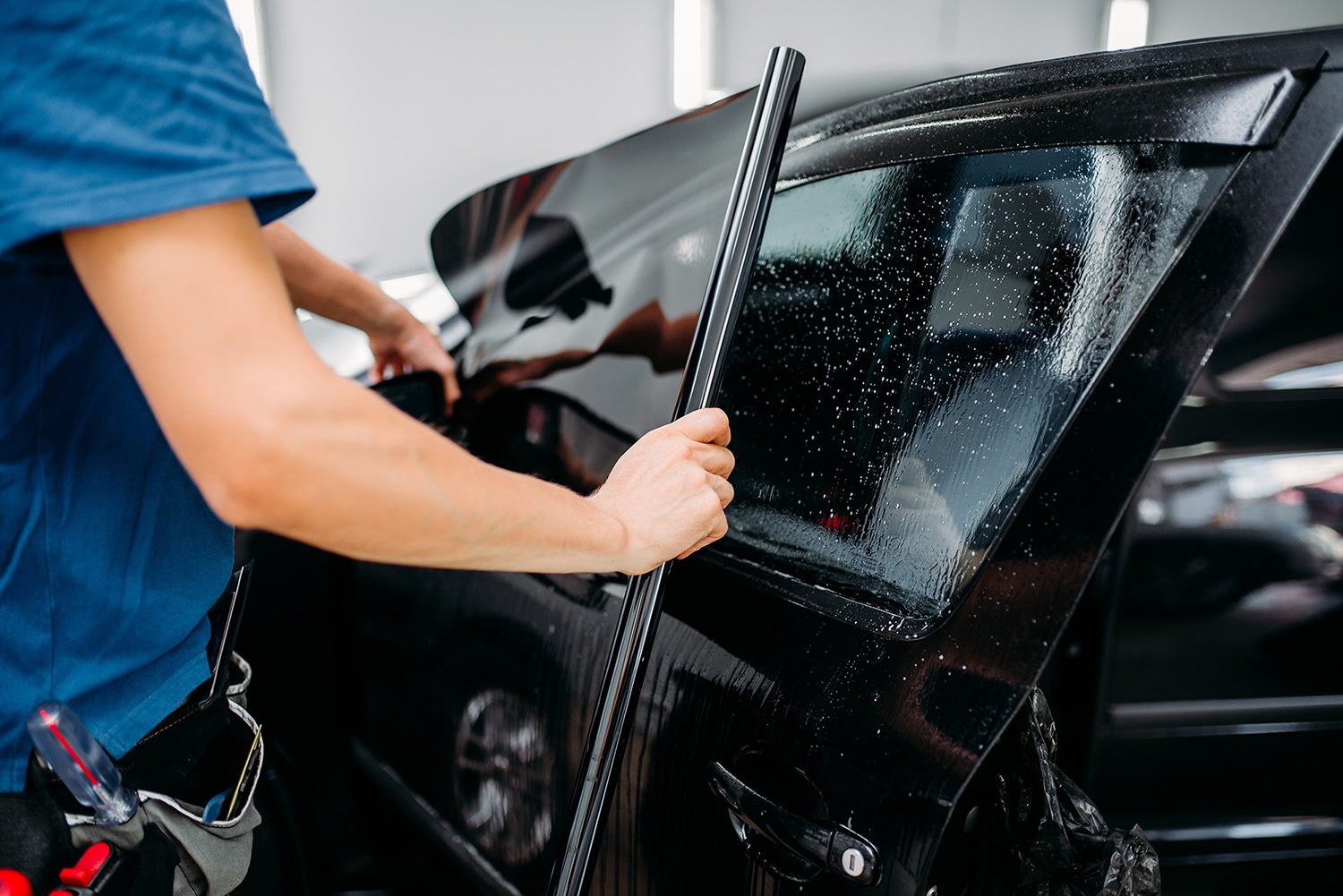
Automotive window tinting is a process of applying a thin film to the windows of a vehicle to darken or tint them. The tint film is typically made of polyester and has adhesive on one side.
It is applied to the interior side of the
vehicle's windows and helps block or reduce the amount of sunlight, UV rays,
and heat that enters the vehicle.
Window tinting offers several benefits,
including:
Heat reduction: Tinted windows can significantly
reduce the amount of heat that enters the vehicle, helping to keep the interior
cooler and more comfortable.
UV ray protection:
The tint film blocks a significant amount of
harmful ultraviolet (UV) rays from the sun. This not only helps protect the
occupants of the
vehicle from the sun's rays but also prevents
fading and damage to the vehicle's interior, such as the dashboard, seats, and
upholstery.
Glare reduction:
Tinted windows reduce glare from the sun,
headlights, and other sources of bright light. This improves visibility and
reduces eye strain, especially tinting during daytime driving.
Privacy and security:
Window tinting provides increased privacy and
security by making it more difficult for people outside the vehicle to see
inside. It can deter potential thieves or break-ins, as the contents of the
vehicle are less visible.
Aesthetics:
Many people choose to tint their vehicle's
windows for cosmetic purposes, as it can enhance the overall appearance and
style of the car. Window tinting is available in different shades and colors to
suit individual preferences.
When it comes to automotive window tinting,
important
to be aware of local laws and regulations regarding tint darkness and
visibility. Different regions have specific rules governing the window tint allowable tint
levels for various windows, such as the front windshield,
side
windows, and rear window. It's advisable to check these regulations before
getting your vehicle's windows tinted to ensure compliance.
Professional window tinting shops have the
expertise and equipment to properly
install
window tinting films, ensuring a smooth and long-lasting finish. DIY kits are
also available, but they require careful attention to detail and may not
provide the same level of quality as professional installations.
Overall, automotive window tinting can provide
numerous benefits, from improved comfort and protection to added privacy and
style.
Auto Tint With a Limited Lifetime Warranty
Auto tinting with a limited lifetime warranty
typically refers to the warranty provided by the company that installs the tint
on your vehicle's windows.
The
warranty guarantees that the tint will be free from defects in materials and
workmanship for the lifetime of the vehicle, but it usually has certain
limitations and conditions.
Here are a few key points to consider regarding
auto tint with a limited lifetime warranty:
Warranty Coverage:
The
warranty typically covers issues such as bubbling, cracking, peeling,
discoloration, and fading of the tint film. It ensures that the tint will
maintain its intended appearance and functionality over time.
Limitations:
The
warranty may have limitations and exclusions. For example, it may not cover
damages caused by accidents,
misuse,
negligence, or improper installation. It's important to read and understand the
warranty terms to know what is covered and what is not.
Transferability:
Some warranties are transferable, which means
they can be passed on to subsequent vehicle owners if you sell your car. This
can be a valuable selling point for potential buyers.
Warranty Claim Process:
If you
encounter an issue covered by the warranty, you will need to follow the
specific claim process outlined by the tinting company.
This typically involves contacting them,
providing proof of purchase, and potentially bringing your vehicle back to
their facility for inspection and repair.
Maintenance Requirements:
To keep
the warranty valid, you may need to follow certain maintenance requirements
specified by the tinting company.
This could
include avoiding harsh cleaning agents or certain cleaning methods that could
damage the tint film.
Professional Installation:
Generally, warranties are provided by
professional tinting companies that have expertise in the installation process.
It's advisable to have your tint installed by a
reputable and experienced installer to ensure proper application and maximize
the benefits of the warranty.
Remember that specific terms and conditions can
vary between
different tinting companies, so it's essential to
review the warranty details provided by the installer you choose.
If you have any questions or concerns, it's best
to reach out to the company directly for clarification.

Comments
Post a Comment